We prepare, we anticipate
Quick summary
NaN-tic describes how it takes part in events, conferences and workshops to follow business trends, working methods and innovative technologies. The article covers experiences related to applied research, Industry 4.0 and management control, connecting them with solutions that improve productivity.
Contents
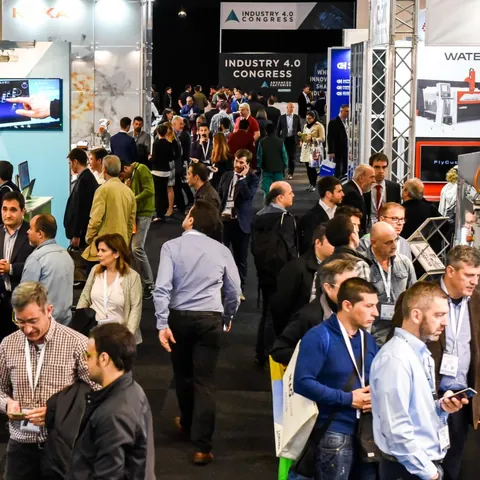
At NaN-tic, we never miss an opportunity to improve our understanding of what is happening in the business world. Throughout the year, we take part in a large number of events, conferences and workshops that enable us to identify market trends, working methodologies and innovative technologies to improve business productivity.
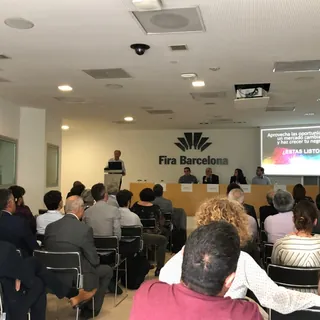
In recent weeks, for example, we took part in the ON Conferences in Castelldefels. These were three days devoted to bringing the business sector in the Llobregat area into contact with research and investigation. More specifically, the aim was to take advantage of the research initiatives launched by the area's universities, the UPC and the UOC among others, in order to bring what is being investigated in the laboratory into the business environment.
We were also present at Advanced Factories 2019, Europe's largest international forum on Industry 4.0, held in Barcelona. Some of the companies with the continent's most cutting-edge and innovative technologies and production models gathered there, and many interesting talks and activities were held for companies that are committed to automating processes and improving productivity.
Along the same lines, we also attended the first CCA® Controllers Meeting for SMEs held in Catalonia and organised by PIMEC. The controller is no longer a professional found exclusively in large companies, as an increasing number of small and medium-sized businesses are incorporating this profile into their management and planning teams. This interesting forum served to show how controlling can help improve management, planning, executive management and efficiency in companies, increasing sales and reducing costs and margins.
This, precisely, is a topic of particular interest to NaN-tic. We are constantly designing and implementing solutions for our clients in this area. A good example is the intelligent stock management system, based on a machine learning system, which makes it possible to optimise warehouses and distribution centres to the greatest possible extent. Another example is the solution deployed at Sant Andreu Salut, a hospital centre in Manresa, to improve the control and internal flows of materials between the different work units.
Frequently asked questions
How does NaN-tic keep up with business and technology trends?
It takes part in events, conferences and workshops to learn about market trends, working methods and innovative technologies aimed at improving productivity.
Which areas are highlighted in the activities described?
The article mentions business-oriented research, Industry 4.0, process automation, control, planning and improving business efficiency.
How can this knowledge be applied to business management?
They help identify improvement opportunities and design solutions such as stock optimisation or control of internal material flows, according to each organisation’s needs.
Related articles
Open Source and Trends
Where innovation is
Python has grown rapidly because it is simple, open source, compatible with other languages, and highly modular. Tryton has been built on Python since its creation in 2008, combining both technologies to provide a robust, adaptable ERP with strong technical capabilities.

Open Source and Trends
Smart stock management
A machine-learning system compares actual stock management with an optimised simulation to calculate thresholds for demand, investment, prices, volumes and stockouts. Integrated with the company’s ERP, it continuously updates those parameters from real data and experience, helping reduce inventory and time purchases more accurately.
Developer
Quality Control in Production Lots and Incoming Shipments
The article explains how to apply quality control to production lots and incoming shipments, associating checks and tests with the relevant processes. This integration keeps quality checks within the receiving and production workflows while preserving traceability of the results.